
● Applied AI & robotics consulting
AI and robots that work in the operation you already run.
We design, build and run AI agents and robotic systems inside real plants, sites and fleets: connected to the systems you depend on, measured in production, secure from day one.
The gap
The model is rarely the problem. The last mile is.
of organisations attribute any profit impact to AI.
McKinsey, State of AI, 2026 ↗of agentic AI projects will be cancelled by the end of 2027, Gartner predicts.
Gartner, June 2025 ↗industrial robots now work in factories worldwide, a record.
IFR, World Robotics 2026 ↗US manufacturing jobs could go unfilled through 2033.
Deloitte & The Manufacturing Institute ↗Robots and AI are ready. Making them work with your ERP, your plant network, your people and your safety rules is where projects stall. That is the work we do.
Software and robots, one team
We map the whole system before anything moves.
The agent in your dispatch software and the robot on your floor are one problem. We treat them as one.
Approach
From a real problem to a system that runs.
Find the work worth automating.
We go to the floor, the site and the back office, and find where AI or a robot pays back, and where it doesn't.
Output: a short list, with the numbers
Pilot in production, not a sandbox.
We build inside your real systems and measure against your baseline, with your team beside us.
Output: a working system, measured
Run it, then hand it over.
Monitoring, incident response and documentation, until your team owns it or we keep running it for you.
Output: a system your people trust
Industries
Built for operations with real-world stakes.
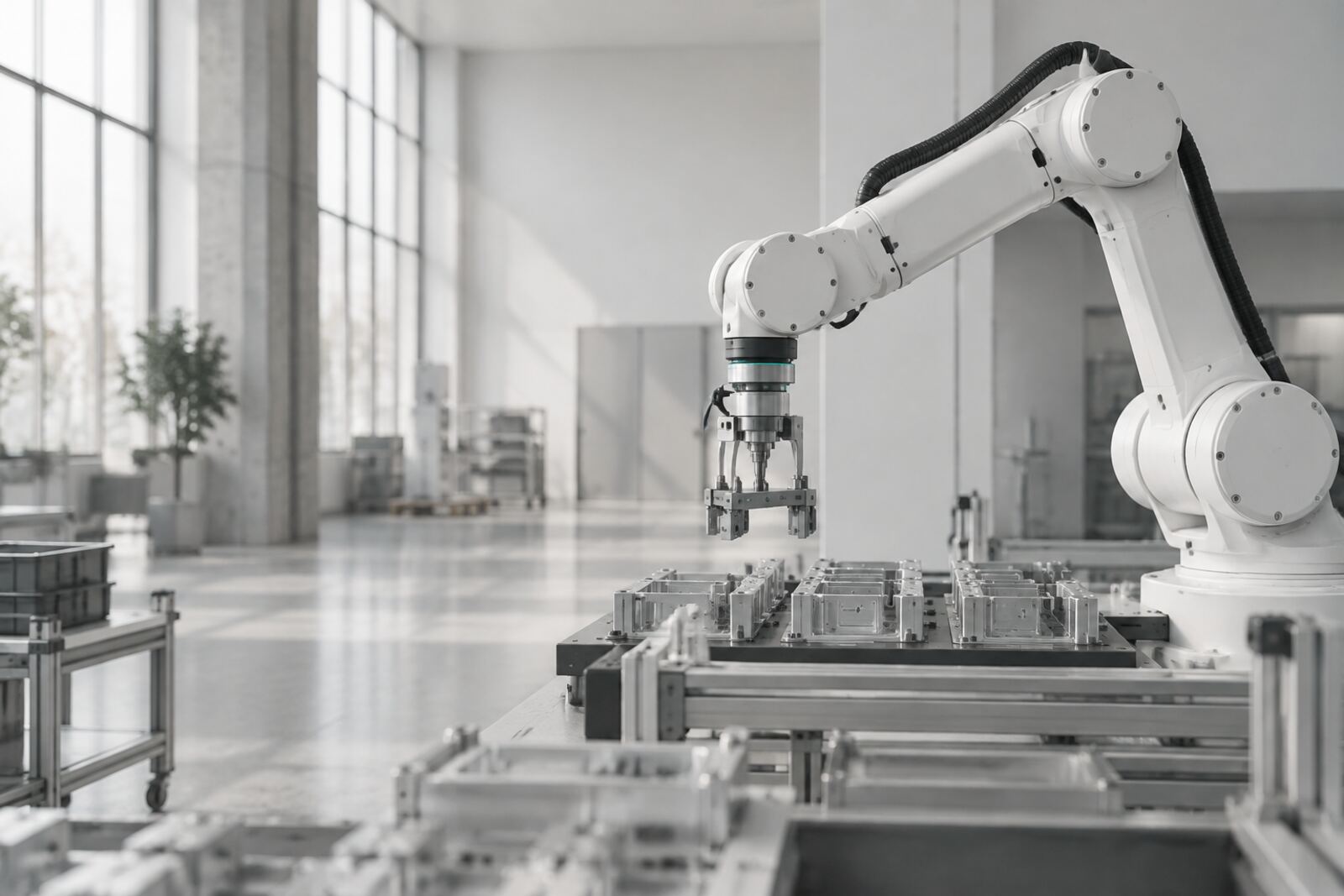
Manufacturing
Cells, inspection and the planning around them.
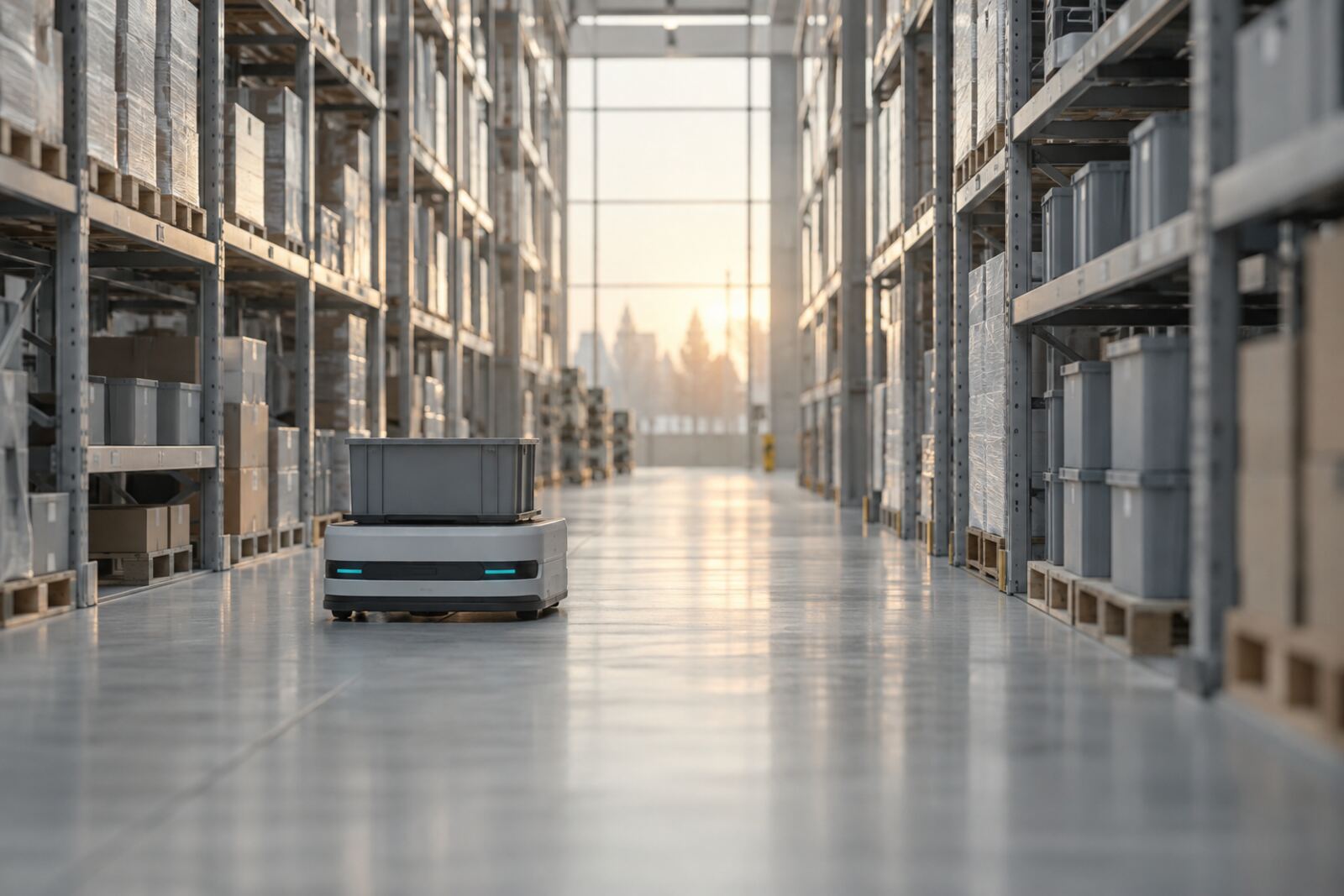
Logistics
Mobile robots, yards and the systems that dispatch them.
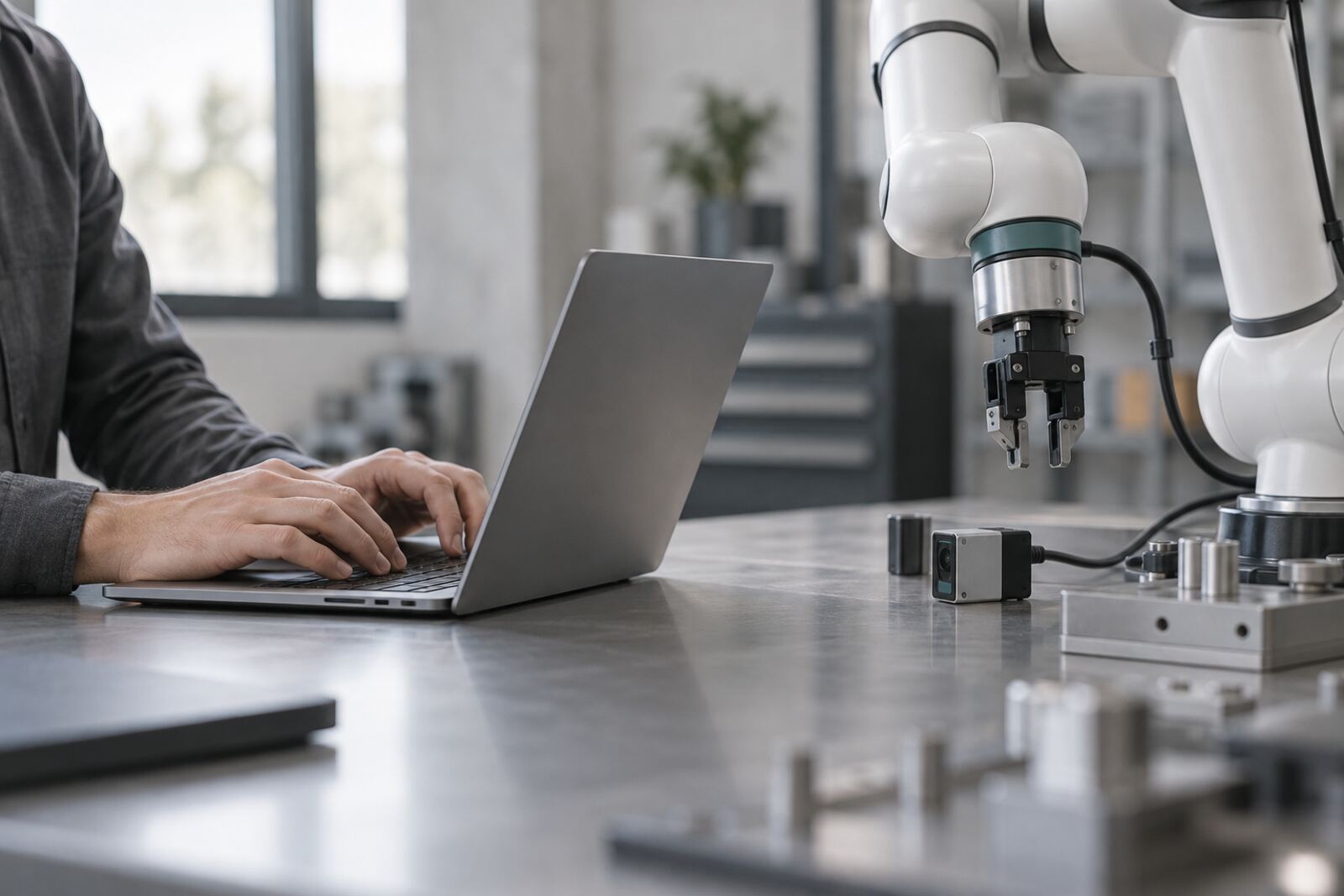
Construction
Progress tracking, inspection and site documentation.
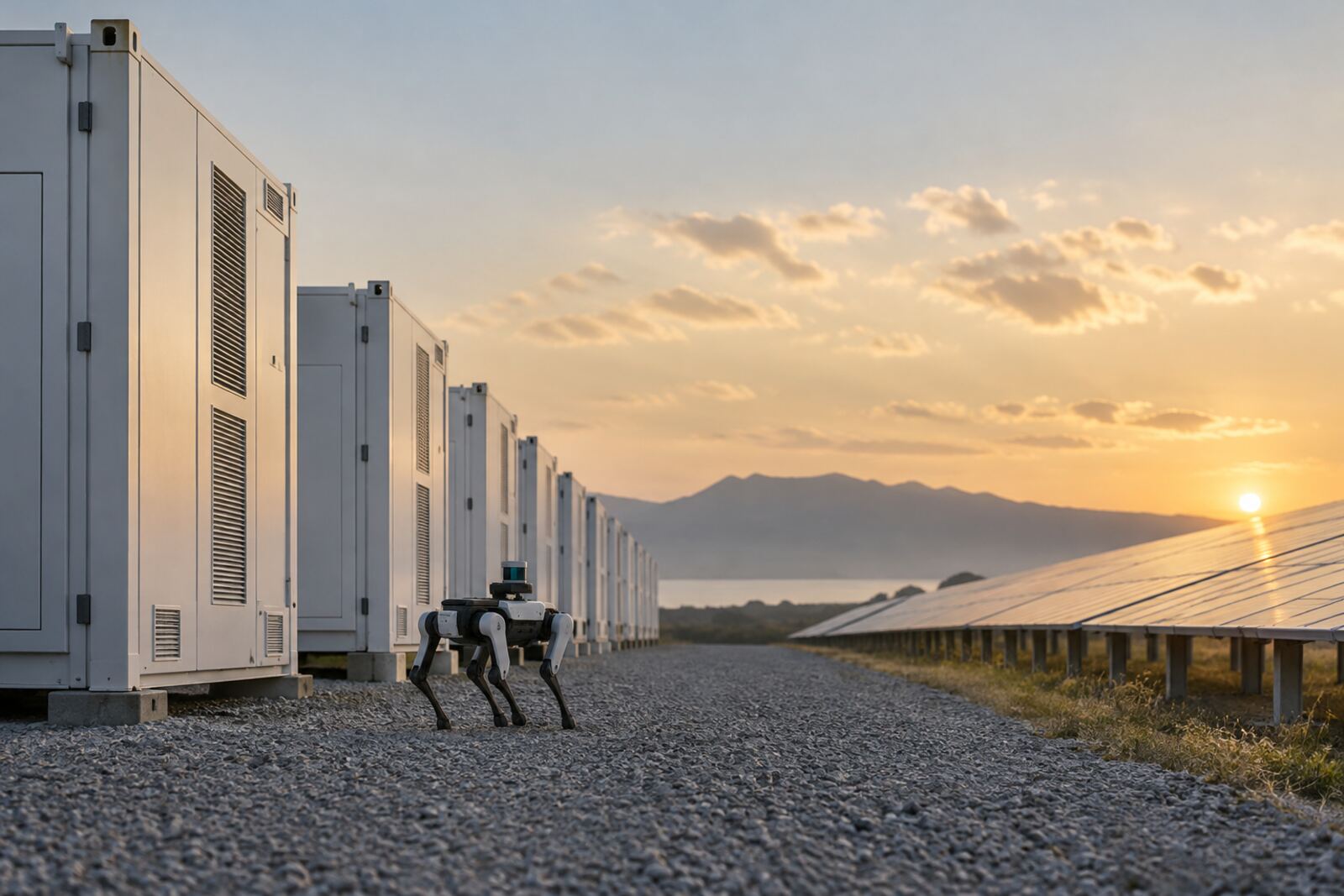
Energy
Solar, storage and substations, inspected and documented.
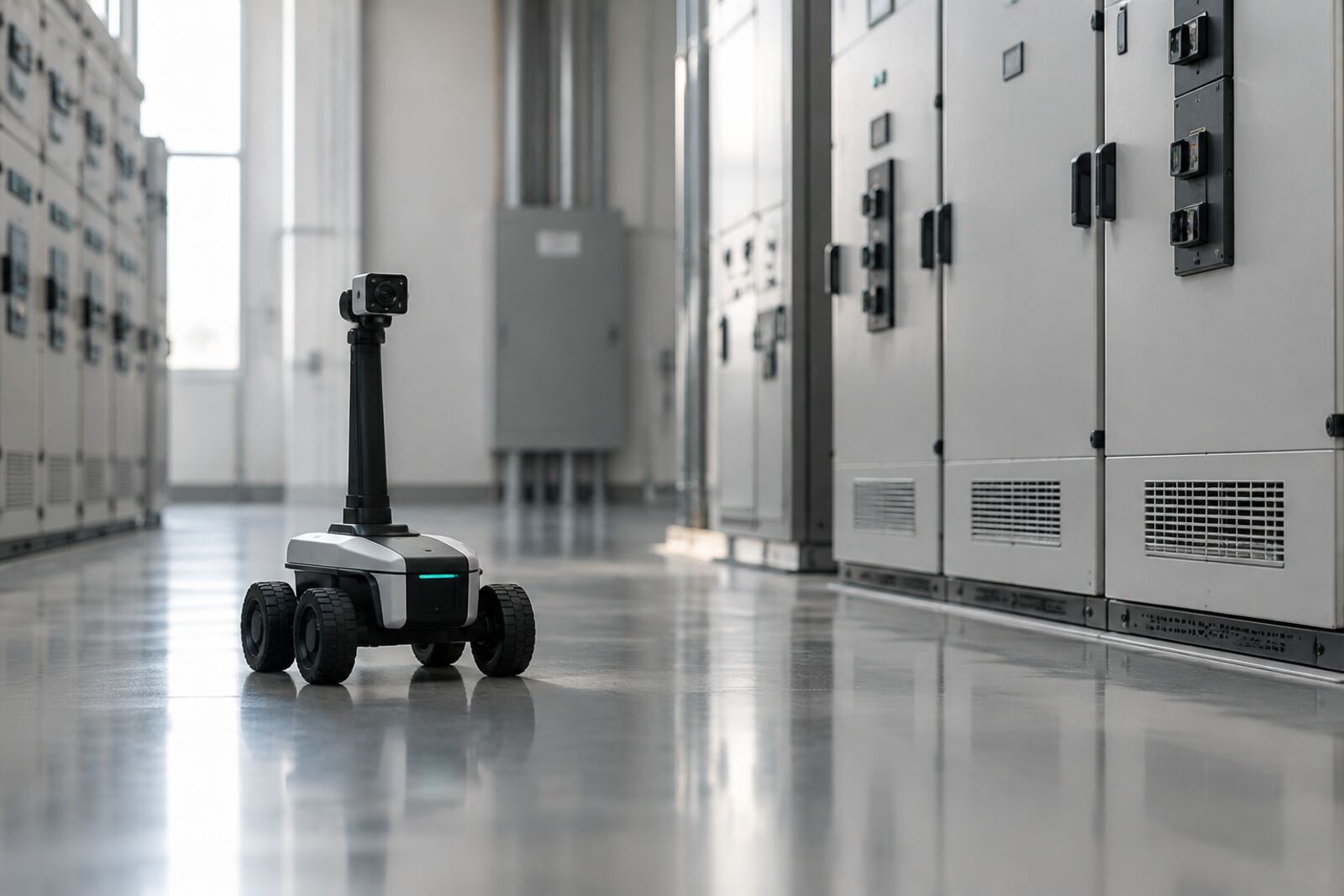
Data centers
Commissioning evidence and operations, at build speed.
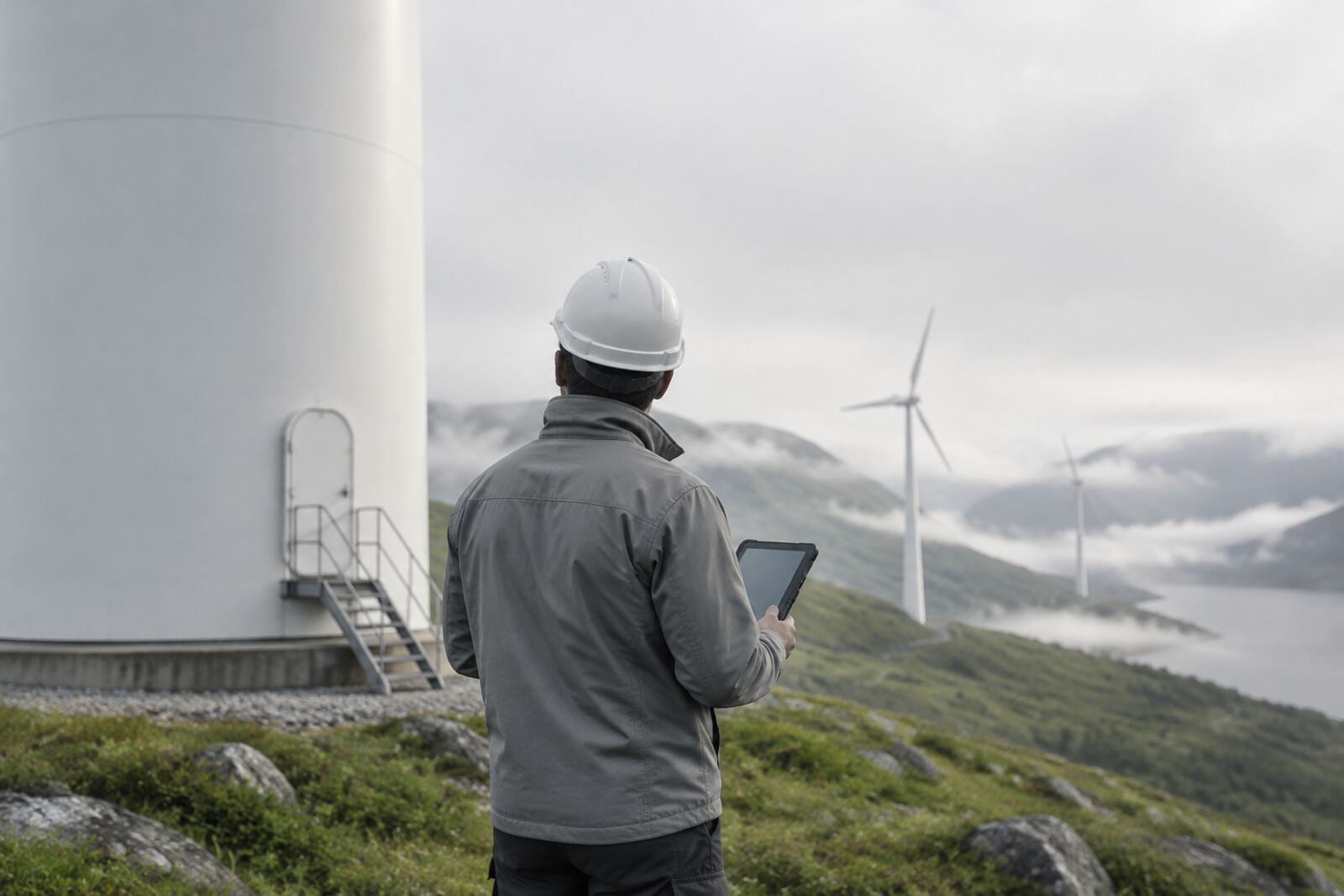
Field service
Agents that schedule, brief and close the job.
Images on this page are AI-generated illustrations.
Why Leyoxa
Engineers, not slide decks.
Works with what you run.
Old software, plant networks and vendor APIs that fail in strange ways. We have shipped agents inside exactly that.
Software and robots together.
Perception, autonomy and the business systems around them, from one team.
Security from day one.
Identity and access built the way banks build them, because a robot on your network is a computer on your network.
Judged by what actually happened.
We measure systems by their real outcomes in production, not by demos or vendor dashboards.
Work
What we have built.
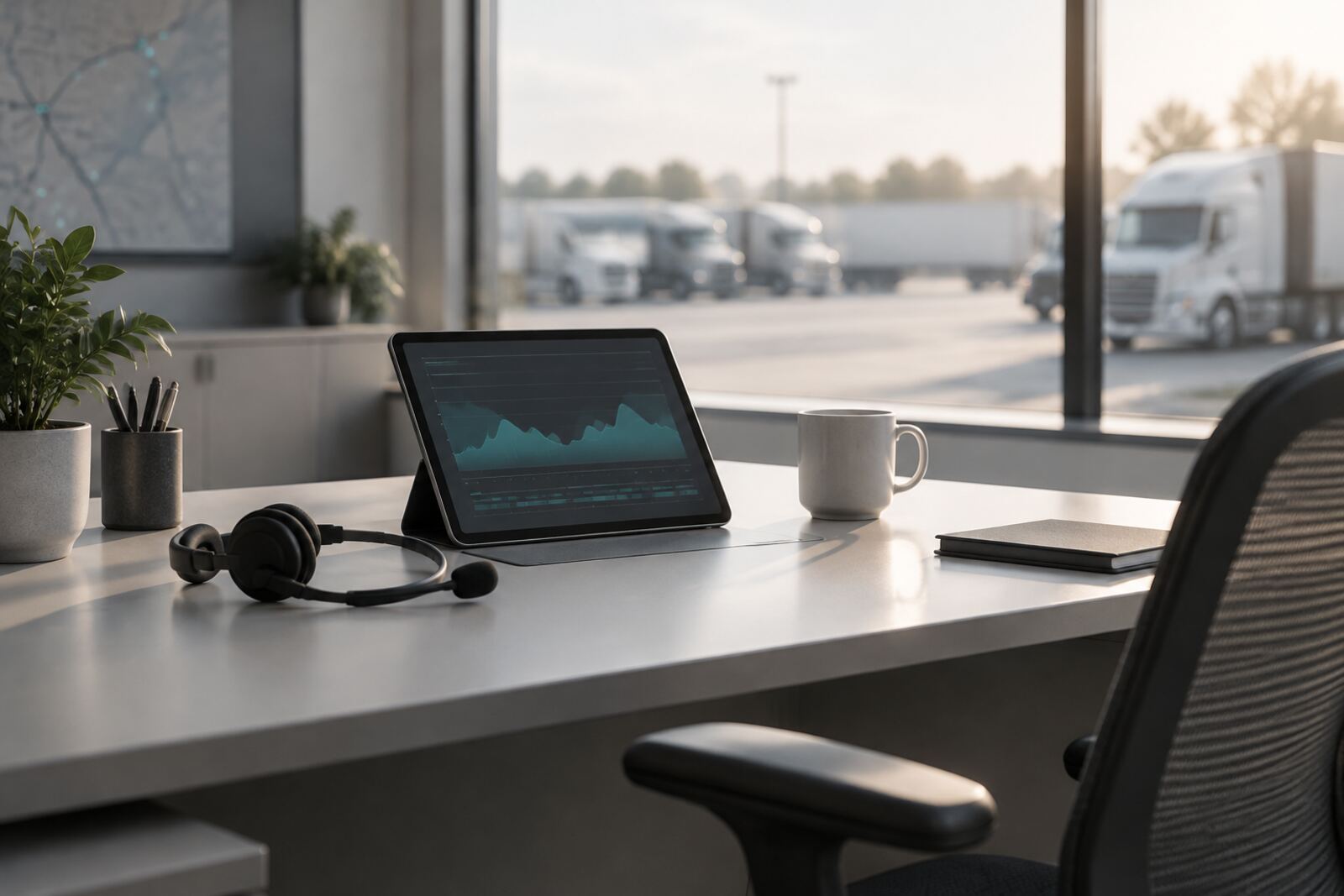
Production · AI agents
Agents running live inside legacy software.
Voice and workflow agents that answer real calls, book and change appointments directly in a multi-location business's existing scheduling systems, and hand off to staff when a person is needed.
- Live, every day, unattended
- Tool calls into old systems, every write checked
- Judged on completed outcomes, not vendor success flags
Research · Robotics
Robotic inspection for electrical commissioning.
A robot, a cart or a technician's phone that checks terminations against the drawings, reads test results against limits and peers, and catches hot joints under first load.
- Computer vision and thermal imaging
- Engineers make every acceptance decision
- A research area, not yet a commercial offering
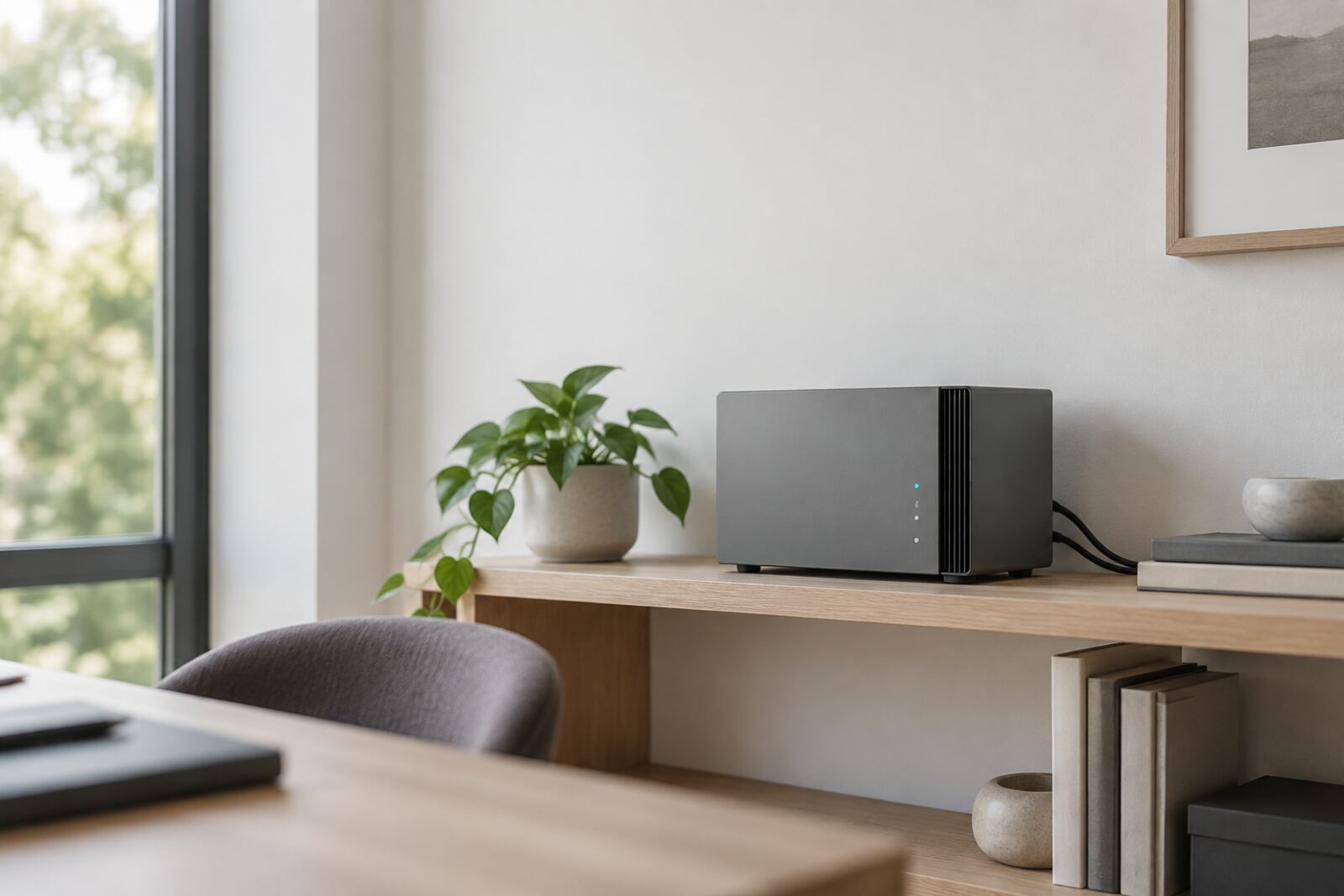
Infrastructure · Private AI
A private AI platform for sensitive records.
Self-hosted models and retrieval, with personal data redacted before any model call, every request logged, and evaluations scored by checks rather than by another model.
- Privacy gateway and egress logging
- Agent benchmarks with provable constraints
- Held-out test sets for retrieval quality
About
Founded by an engineer.
Leyoxa was founded by Sepehr Aflatounian, a University of Waterloo computer engineer who builds systems people rely on every day.
- Autonomous systemsLed Watonomous, the University of Waterloo's autonomous driving team.
- AI agents in productionVoice and workflow agents running live inside businesses' legacy software.
- Security at bank scaleSign-in and identity for millions of banking customers.
- Machine learningCo-founded SeedCI: cyber-attack detection and price prediction models.
- Connected vehiclesEV charging features for Ford's connected-vehicle platform.
Start a project
Have an operation that should run itself?
Tell us what you do and where the work piles up. We will tell you honestly whether AI or a robot can take it on.
contact@leyoxa.com